There’s a strange kind of grief that comes not just from what happened to you—but from the way people talk about it afterward.
It’s easy to believe the version of a story that’s neat. The one posted first. The one shared by the person who seems more composed, more charismatic, or more convincing. But real life isn’t neat. And people aren’t just one thing.
Here’s what I’ve learned the hard way:
There are always two sides to every story.
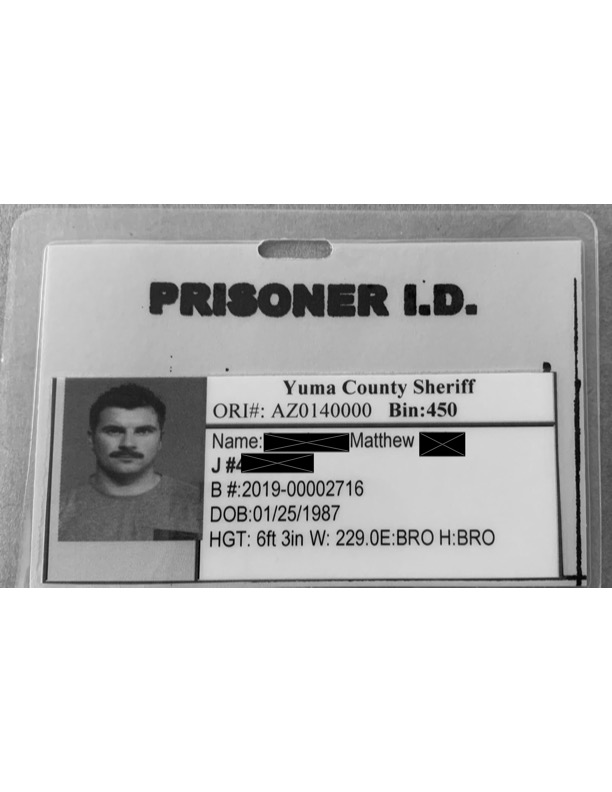
I was married for ten years. From the outside, we looked like a family trying to make it work. Behind closed doors, I lived with chaos. I lived with someone who struggled with addiction, with infidelity, and with rage. I lived in a home where lamps and chairs were broken in fits of anger, where I had to call the police more than once to keep my children and myself safe. Where I begged for normal, and I was gaslit into believing that the destruction I witnessed was somehow my fault.
There was a night I’ll never forget—where he bit my ear while drunk, held me against a wall with my feet dangling, and I had to crawl out of my stepdaughter’s bedroom window in the middle of the night to escape. I called a family member, shaking, with bruises and fear thick in my throat. And then I begged—begged—his employer not to fire him after the domestic violence report, because I was afraid of what would happen if he lost control even more.
That is not normal.
It is also not normal to watch your spouse disappear for weekends, texting other men about which women at the bar are attractive. It’s not normal to carry the weight of protecting your daughters from a truth that would shatter their world too early. It’s not normal to feel like a shadow in your own life—constantly minimizing, excusing, rationalizing to survive.
And when I finally found the strength to leave…
Suddenly I became the villain in someone else’s story.
He told others I was emotionally and physically abusive to his oldest daughter, the one I helped raise. He said I was unstable. That I wasn’t a good wife or mother. That I had given up. But what I had actually done was save myself. I walked away not because I was weak—but because I refused to let my daughters grow up believing that pain was love, that fear was normal, or that silence was safety.
This is what I need you to know:
When someone tells you their story, pause before you judge.
Ask what parts they’re not telling.
Ask who isn’t being given a voice.
We all want to believe we’re “good people.” But good people don’t rush to judgment based on charm or public image. Good people ask questions. They stay curious. They understand that if someone finally speaks after years of silence, it’s not for attention—it’s because carrying the truth alone became too heavy.
If you’re going to put words into the world—make sure they’re honest.
Make sure they’re complete.
And make sure you’ve looked in the mirror before deciding you’re ready to name someone else’s demons.
This is my story. It’s not the only version—but it’s the one that was buried for too long.
And I won’t apologize for telling it anymore.

 3 Daisies Edit
Leave a comment